

Developing educational learning materials is about more than delivering curriculum content. At ASTA, every publication begins with a simple question: How can students understand, connect with, and remember what they learn?
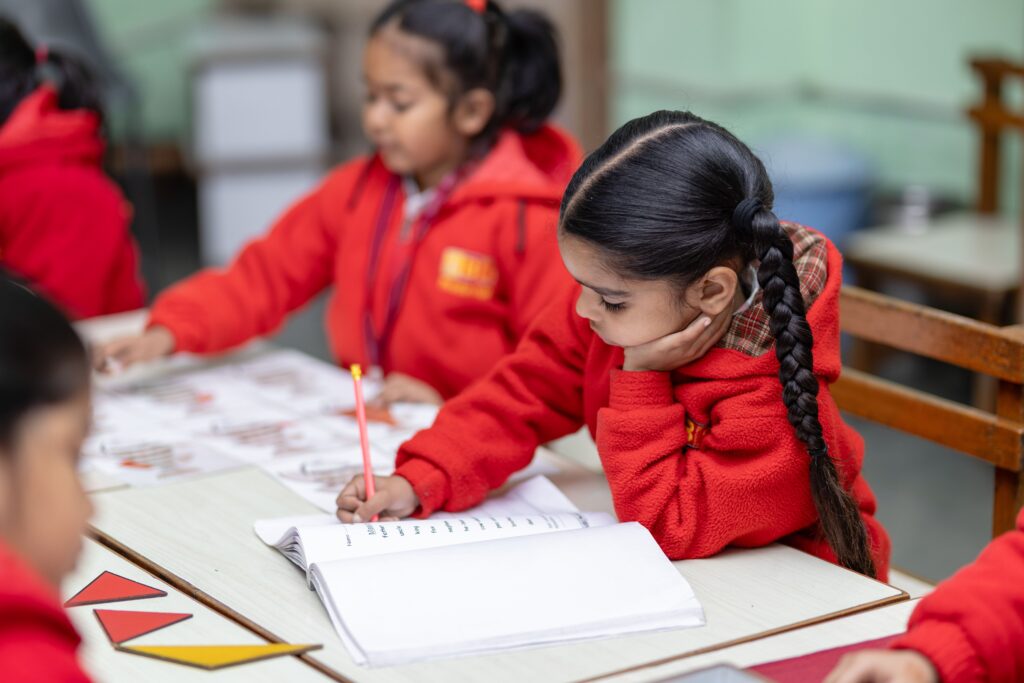
This question has shaped ASTA’s publishing philosophy for years. While curriculum alignment, pedagogical accuracy, and academic rigor remain essential, effective learning also depends on how knowledge is presented. A well-designed book should do more than explain concepts. It should guide students through a learning experience that feels engaging, relevant, and meaningful.
That is why ASTA integrates visual storytelling into the design of its learning materials. Rather than relying on pages filled with dense text, our books combine narratives, illustrations, and thoughtfully designed layouts to support comprehension and encourage active learning. This approach reflects our belief that learning should be mindful, meaningful, and joyful.
Learning Through Stories, Not Just Information
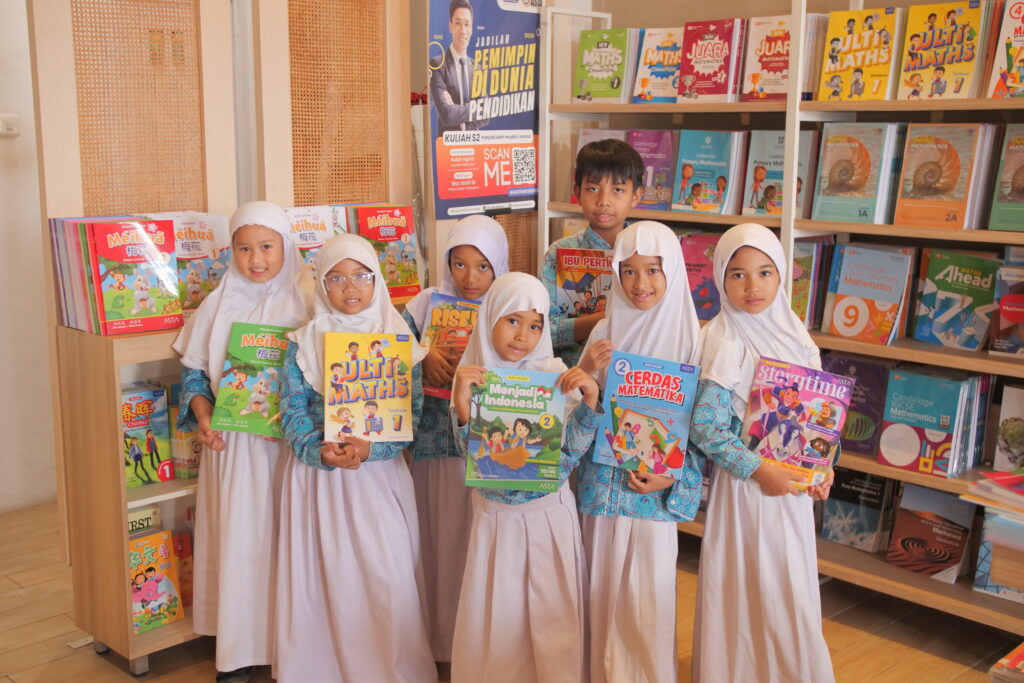
Stories have long been one of the most effective ways people make sense of the world. They provide context, create emotional connections, and help learners organize information into meaningful sequences. In education, storytelling serves a similar purpose by transforming abstract concepts into experiences that students can relate to.
At ASTA, storytelling is not viewed as an additional feature or a decorative element. It is an instructional strategy that supports understanding.
Instead of introducing concepts as isolated facts, our learning materials place students in meaningful situations where ideas unfold naturally. Characters, illustrations, and real-life contexts encourage learners to observe, reflect, and connect new knowledge with their own experiences. This process helps students develop a deeper understanding compared to memorizing information presented without context.
As Fatmawaty Fransiska, Publishing Manager at ASTA, explains:
“Instead of relying on pages filled with text, we use visual storytelling to make learning more engaging and relatable. When students can connect lessons to stories and real-life experiences, they tend to understand concepts more deeply and remember them for longer.”
This philosophy influences not only the writing process but also every stage of developing an ASTA publication.
Design That Supports Learning
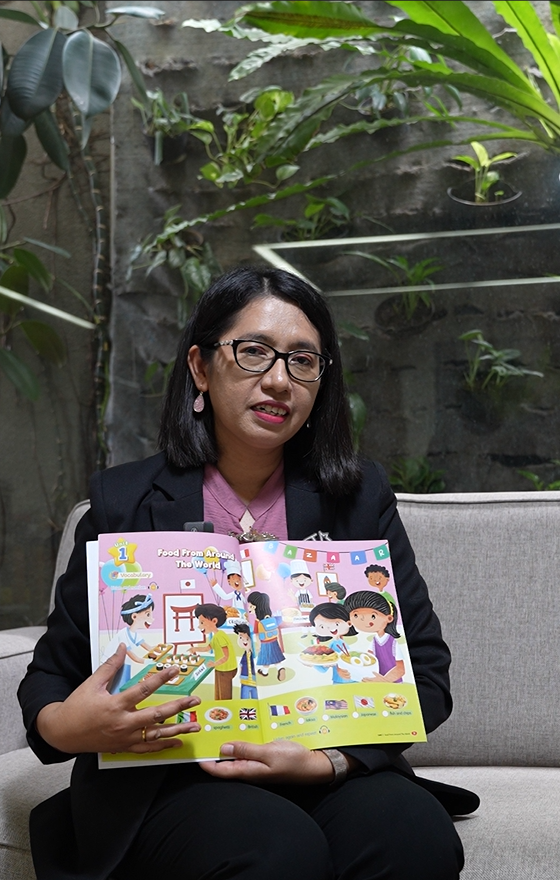
Educational publishing requires design decisions that are driven by pedagogy rather than aesthetics alone. While attractive visuals capture attention, effective design should also make information easier to process and understand.
For this reason, ASTA approaches every illustration, page layout, and visual element with a clear instructional purpose. Rather than adding graphics simply to make a page more appealing, visual components are carefully integrated to clarify concepts, organize information, and reduce unnecessary cognitive load.
This design philosophy allows students to focus on the learning objective without feeling overwhelmed by large amounts of text. Visual cues help guide attention, while illustrations reinforce explanations that might otherwise be difficult to understand through words alone.
As a result, every page is intentionally designed to strengthen learning, not simply to decorate it.
Applying Storytelling Across Different Subjects
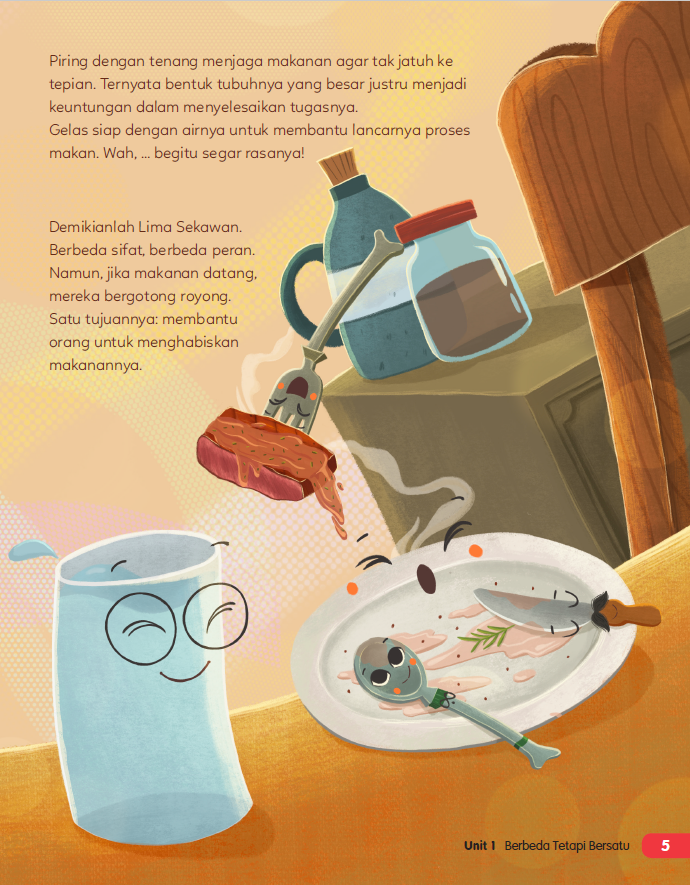
One of the strengths of visual storytelling is its flexibility across different learning areas. Although the implementation varies from one subject to another, the underlying objective remains consistent: helping students understand concepts through meaningful experiences.
In Ibu Pertiwi, ASTA’s series for Pancasila and Civics Education, values such as Unity in Diversity are not presented as direct advice or moral instruction. Instead, students discover these values through stories by following characters and understanding the situations they encounter. This approach encourages reflection and allows learners to develop their own understanding of important civic values through experience rather than memorization.
The same principle can also be found in mathematics. Abstract concepts often become easier to understand when students can connect them to familiar situations. Rather than presenting numbers and formulas in isolation, ASTA incorporates visuals that reflect everyday experiences, helping learners visualize mathematical ideas and apply them within meaningful contexts.
Although these examples come from different subjects, they demonstrate a shared publishing philosophy: learning becomes more accessible when students can see, experience, and connect with the concepts being taught.
The Role of Visual Storytelling in Educational Publishing
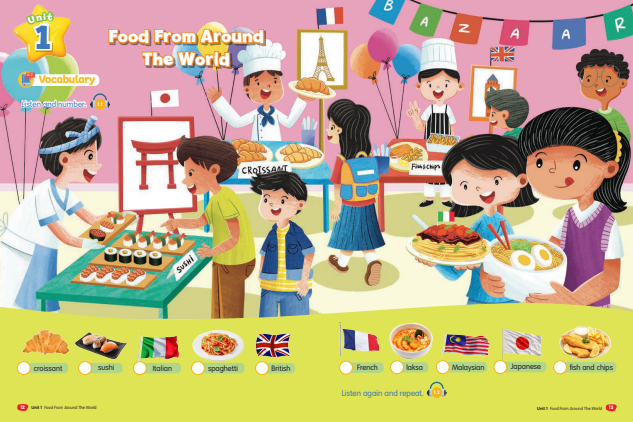
Effective educational resources are created through the integration of content, pedagogy, and design. Visual storytelling brings these elements together by supporting both comprehension and engagement.
Visuals enable students to process information more efficiently, while storytelling provides the structure that helps ideas feel connected rather than fragmented. Together, they create learning experiences that are easier to understand and more memorable.
This is particularly important in today’s classrooms, where students are expected not only to acquire knowledge but also to think critically, solve problems, and apply what they learn in different contexts. Learning materials therefore need to do more than present information, they should encourage curiosity and support meaningful learning experiences.
At ASTA, visual storytelling is not considered a trend in educational publishing. It is part of a broader commitment to designing learning materials that respond to how students learn best.
A Collaborative Publishing Process

Behind every ASTA publication is a collaborative process involving professionals from different disciplines. Editors, curriculum specialists, authors, illustrators, designers, and layout artists work together to ensure that each learning resource communicates concepts accurately and effectively.
This collaboration extends beyond editorial quality. Every illustration, visual sequence, and page composition is carefully reviewed to ensure that it contributes to the learning objective. Visual elements are developed with intention, supporting students’ understanding rather than serving as decorative additions.
By integrating curriculum expertise with thoughtful instructional design, ASTA develops educational learning materials that balance academic quality with engaging learning experiences.
Designing Learning Experiences That Last
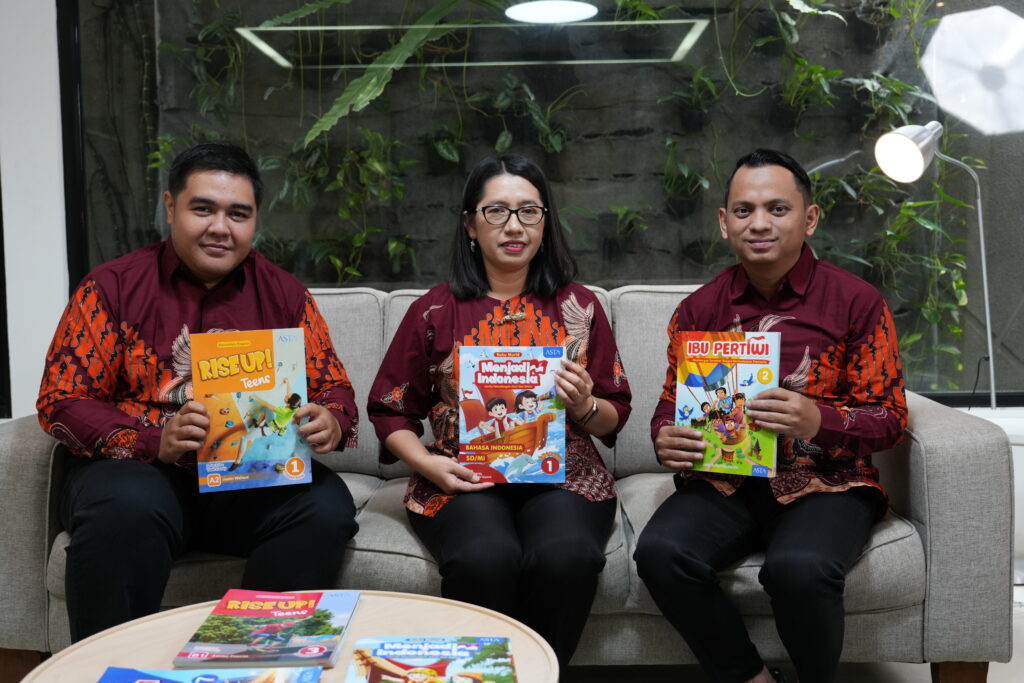
Educational books have the potential to become more than curriculum resources. When content, visuals, and storytelling work together, they create learning experiences that help students build understanding, develop curiosity, and retain knowledge over time.
This philosophy continues to guide the way ASTA develops learning materials across subjects and educational levels. Every publication is designed with the belief that meaningful learning begins when students can connect with what they are learning, not simply read about it.
As Fatmawaty Fransiska concludes:
“When learning feels like a story, students don’t just study; they experience it.”
This commitment to thoughtful instructional design, visual storytelling, and curriculum excellence remains at the core of ASTA’s publishing approach. By combining educational expertise with purposeful design, ASTA continues to develop learning materials that support students, empower teachers, and contribute to meaningful learning experiences in classrooms around the world.