

The Global and Indonesian Education Challenge

Literacy, numeracy, and character education are no longer optional components of schooling. They are foundational skills that determine how individuals learn, think, and participate in society.
Globally, the challenge remains significant. According to the UNESCO, millions of children and adults still lack basic literacy and numeracy skills. Despite ongoing efforts to expand access to education, progress toward Sustainable Development Goal (SDG) 4.6—ensuring literacy and numeracy for all—remains uneven.
In Indonesia, similar challenges persist. Various national assessments and studies highlight that many students still struggle with:
- reading comprehension
- basic numeracy skills
- applying knowledge in real-life contexts
These gaps are often influenced by:
- socio-economic disparities
- unequal access to quality learning materials
- limited exposure to higher-order thinking skills
As a result, strengthening literacy, numeracy, and character education has become a critical priority—not only for Indonesia, but for education systems worldwide.
Literacy in the 21st Century: Beyond Reading and Writing
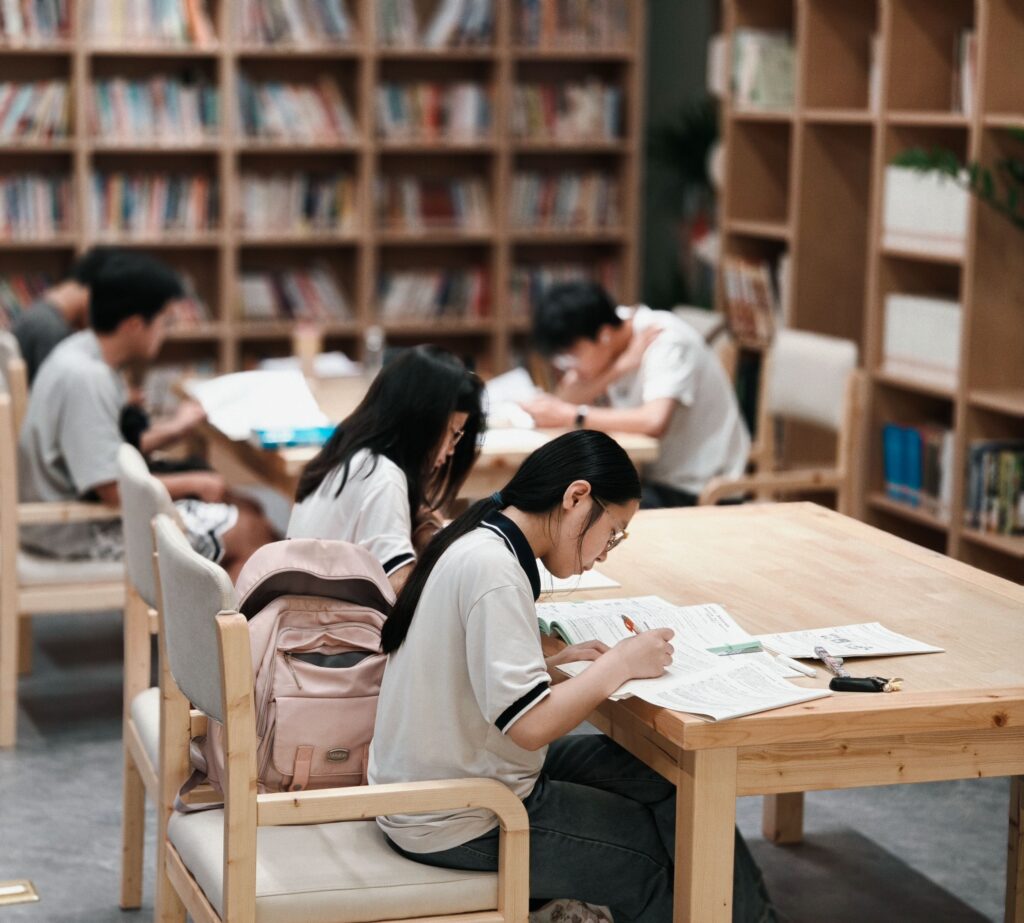
Modern literacy is no longer limited to the ability to read and write. It involves the capacity to:
- understand and interpret information
- think critically
- communicate ideas effectively
- apply knowledge across different contexts
Without strong literacy skills, students may struggle in all areas of learning, from science to social studies, and even in everyday decision-making.
Today’s education systems must move beyond rote learning and focus on deep literacy development, where students:
- engage with texts meaningfully
- analyze information
- express ideas with clarity and confidence
This shift is essential to prepare learners for a world driven by information, communication, and continuous learning.
Numeracy: A Core Skill for Problem Solving
Numeracy is often misunderstood as simply mathematics. In reality, it is the ability to:
- reason with numbers
- interpret data
- solve problems logically
- make informed decisions in daily life
Research in Indonesia shows that many students face challenges not in performing calculations, but in applying mathematical concepts to real-world situations.
Globally, education systems are shifting toward teaching numeracy as:
- conceptual understanding (not memorization)
- analytical thinking
- problem-solving ability
Approaches such as the Concrete-Pictorial-Abstract (CPA) method and spiral learning progression are widely recognized as effective ways to build strong numeracy foundations.
Developing numeracy skills is essential not only for academic success, but also for navigating modern life, where data, logic, and decision-making play a central role.
Character Education: Preparing Students for Life
While literacy and numeracy are critical, they are not sufficient on their own.
Education experts, including UNESCO, emphasize the importance of character education in developing well-rounded individuals.
Students today need more than academic knowledge. They need:
- resilience to face challenges
- empathy to build relationships
- integrity to make ethical decisions
- responsibility as global citizens
Character education helps learners:
- manage emotions
- collaborate with others
- contribute positively to society
Without these competencies, academic success alone may not translate into meaningful life outcomes.
Why a Holistic Approach to Education Matters
The growing gap in literacy, numeracy, and character development highlights a key issue:
Education systems often focus too heavily on academic outcomes, while underestimating the importance of holistic development.
A balanced approach to literacy, numeracy, and character education is essential because:
- literacy builds understanding
- numeracy strengthens reasoning
- character shapes behavior and decision-making
Together, these three pillars form the foundation of future-ready learners.
Students who develop all three are more likely to:
- succeed academically
- adapt to changing environments
- contribute meaningfully to society
How ASTA Ilmu Publishing Supports Holistic Education
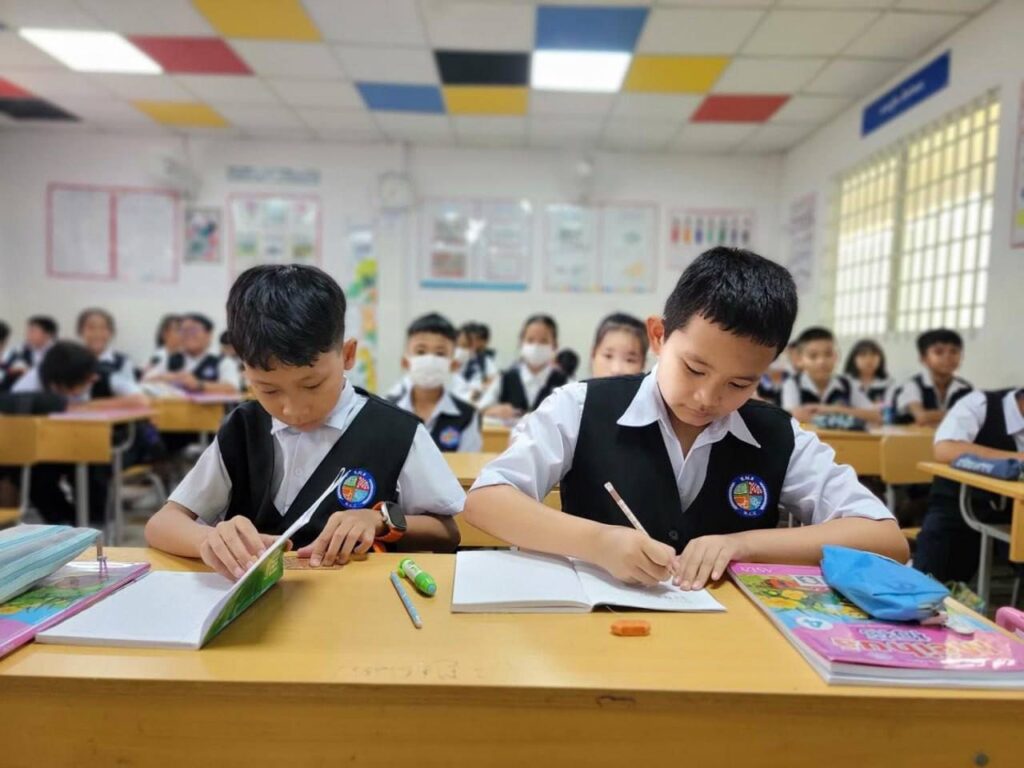
As an educational publisher in Indonesia, ASTA Ilmu Publishing develops learning materials that address these three critical areas in an integrated way.
Literacy Development Across Languages
ASTA’s literacy programs support learning in:
- Bahasa Indonesia
- English
- Mandarin
These programs are designed to:
- build reading comprehension
- strengthen communication skills
- encourage critical thinking
By combining storytelling, structured learning, and international standards, ASTA helps students move beyond basic literacy toward deeper understanding.
Strengthening Numeracy Through Conceptual Learning
ASTA’s numeracy programs focus on:
- conceptual understanding
- analytical thinking
- real-world problem solving
Using approaches such as CPA and spiral progression, students are guided to:
- understand mathematical concepts deeply
- apply knowledge in different contexts
- build confidence in problem solving
Integrating Character Education into Learning
Character development is embedded within ASTA’s learning materials through:
- storytelling
- contextual examples
- value-driven content
Students are encouraged to develop:
- honesty
- empathy
- responsibility
- resilience
This ensures that education is not only about knowledge, but also about shaping attitudes and behaviors.
Closing the Learning Gap for Future Generations
The global education landscape is evolving rapidly, but foundational challenges in literacy, numeracy, and character education remain.
Addressing these gaps requires:
- high-quality learning materials
- relevant and engaging content
- a holistic approach to student development
By focusing on literacy, numeracy, and character education, education stakeholders can better prepare students for:
- academic success
- future careers
- meaningful participation in society
Building the Future Through Education
The future of education depends on how well we equip learners today.
Strengthening literacy, numeracy, and character education is not just an academic goal.
It is an investment in:
- human potential
- societal progress
- global development
Through a holistic and globally informed approach, education can empower learners to become not only knowledgeable, but also thoughtful, capable, and responsible individuals.